
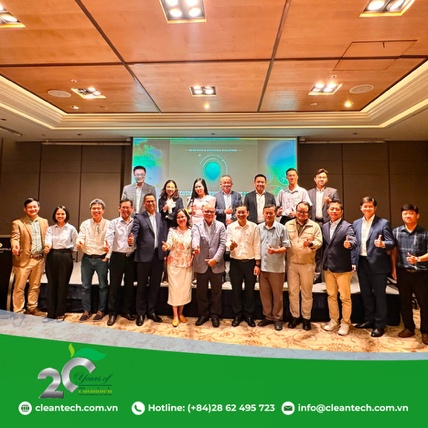
On July 17, 2026, the “Dialogue on Industrial Water Reuse & Sustainable Development 2026” was held at Lotte Legend Hotel Saigon (Ho Chi Minh City), bringing together over 100 business leaders, environmental experts and leading investors to discuss water reuse strategies — a key pillar in Vietnam’s industrial sustainable development roadmap.
Industrial Growth and the Demand for Water Reuse
With the rapid pace of industrialization, water consumption in Vietnam’s manufacturing sector has been increasing significantly. Industrial parks, paper mills, food & beverage plants, and textile factories consume massive volumes of water, while clean water resources are becoming increasingly scarce. Reusing treated wastewater not only helps businesses reduce operational costs but also meets the ever-stricter ESG (Environmental, Social & Governance) standards demanded by international partners and investors.
According to industry data, businesses implementing water reuse solutions can save 30–60% on intake water costs while significantly reducing the volume of wastewater discharged into the environment.
Regulatory Framework & ESG Standards in Vietnam
The event provided an in-depth analysis of the current regulatory system for industrial wastewater treatment and reuse, including QCVN 40:2011/BTNMT and the latest legislative updates. Experts emphasized that the legal framework is gradually shifting from “pollution control” to “encouraging resource circularity,” creating significant opportunities for pioneering enterprises.
Global ESG trends are also driving FDI enterprises in Vietnam to require their domestic supply chains to meet sustainability criteria — with water management being one of the most critical indicators.
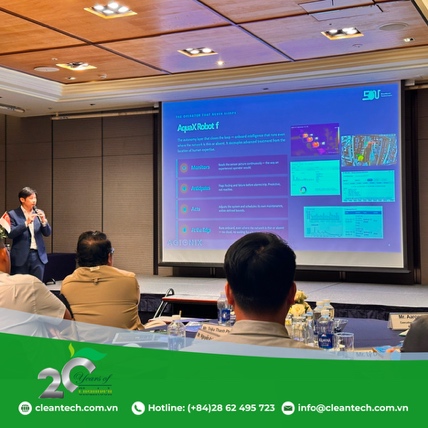
Technology Solutions: Water-as-a-Service, Green Capital & AI
Three key solution pillars were presented and discussed at the event:
- Water-as-a-Service (WaaS): A model where businesses do not need to invest in water treatment systems — specialized partners (such as Cleantech) invest, operate and maintain the entire system, while the business pays per volume of water used. This solution minimizes financial risk and ensures stable output water quality.
- Green Finance: Preferential financing mechanisms for environmental projects — including green credit, sustainability bonds and ESG investment funds — are opening access to long-term, favorable-rate capital for large-scale water reuse projects.
- AI-Powered Operations Management: Applying artificial intelligence and IoT to monitor and automate wastewater treatment systems — optimizing chemical usage, saving energy and detecting issues early, improving operational efficiency by 20–30%.
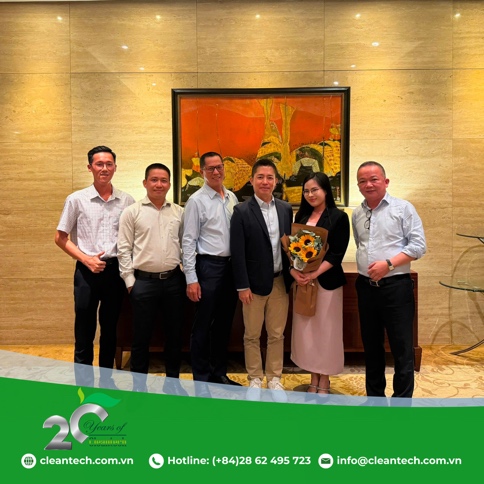
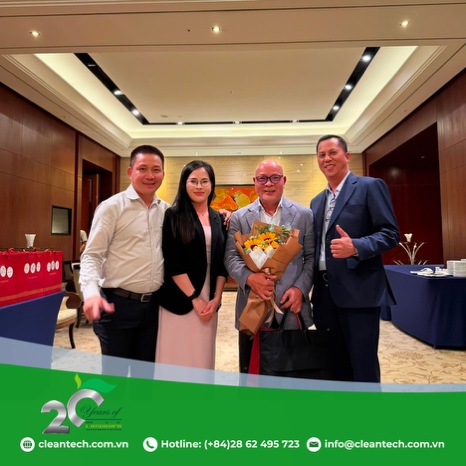
Leadership Dialogue
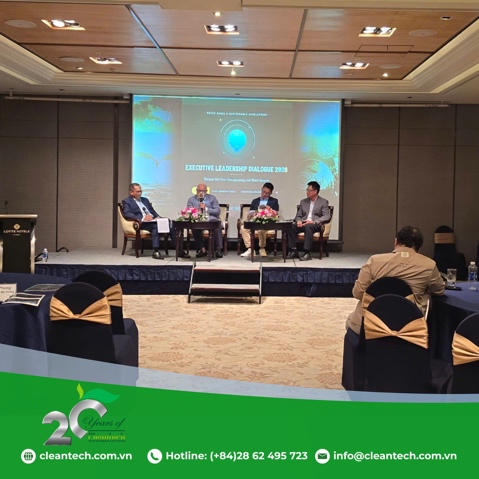
The event’s highlight was the leadership dialogue session, where representatives from multiple industries — including paper & pulp, food & beverage, and industrial parks — shared real-world experiences in implementing water reuse systems, from initial challenges to long-term economic and environmental benefits.
Speakers unanimously agreed that water reuse has transformed from a “compliance cost” into a “competitive advantage” — especially as international markets increasingly prioritize products from sustainable manufacturing chains.
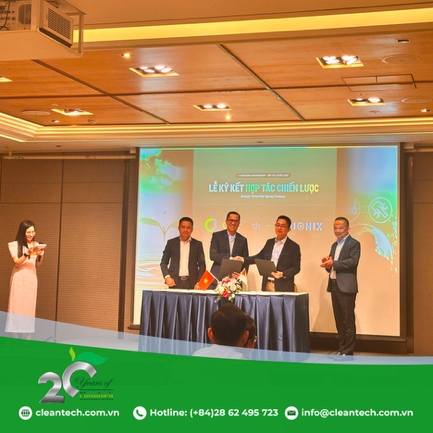
Strategic Partnership Signing Ceremony
The event concluded with a tripartite strategic partnership signing ceremony between three pioneering organizations in the water and sustainable development sector:
Tripartite Strategic Partnership
Driving sustainable development in Vietnam’s water sector
Cleantech · AQIONIX · Resonance Green Asset
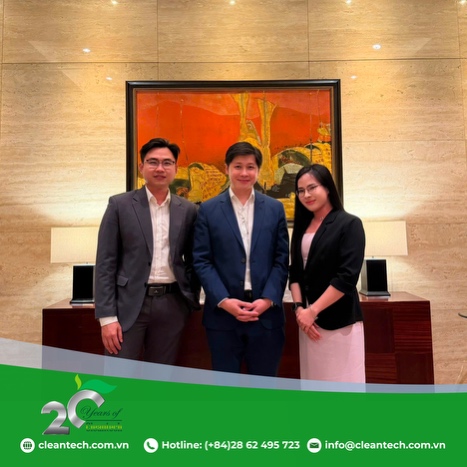
This partnership agreement opens a new phase of development, combining each party’s strengths: Cleantech’s 20 years of experience in water treatment and environmental services, AQIONIX’s cutting-edge technology, and Resonance Green Asset’s green capital mobilization capabilities — creating a comprehensive ecosystem to support businesses on their green transition journey.
Cleantech — 20 years partnering with businesses in wastewater treatment, water supply and environmental protection.
